1970-2015
1970-2015
The decade of the 60's in Boise set the stages for changes in the 70's. Parents, patrons, students, staff and trustees began to study and question the traditional in an attempt to provide the best education possible. By the end of that decade, changes were evident. One of the most important changes, a change in philosophy, brought about child oriented education.
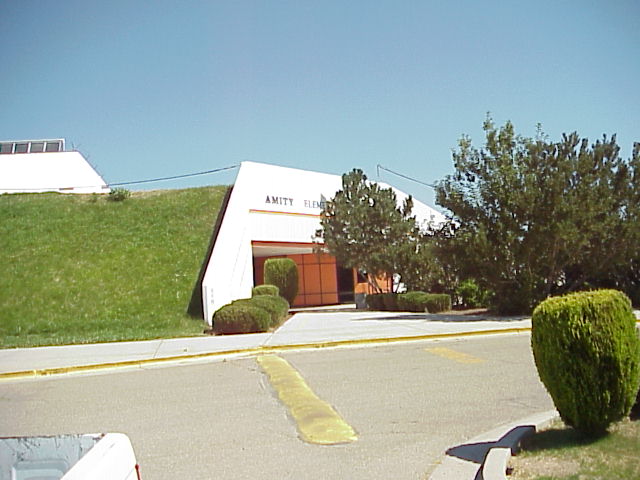
The focus of change during the 1970's moved from constructing facilities to expanding and changing curriculum. Enrollment in grades 1-12 decreased approximately 1,700 students during the 1970's, although kindergarten enrollment increased from 768 in its first year (1972-1973) to 1,644 during 1979-80. Although enrollment in grades 1-12 did not increase, population shifts within the community caused severe strains on several neighborhood schools. Closed enrollments in many grade levels were instituted at Maple Grove, Garfield and Campus. Construction of Amity Elementary School (pictured bellow) in 1977-78 (the only new school constructed during this decade) eased the strain on Maple Grove.
The 1970's witnessed many curricular changes in the Boise District. The changes were in step with the District's child oriented philosophy, yet maintained quality education. They also created a better utilization of District facilities.
The kindergarten program was begun in 1970-71 utilizing Model Cities funds. In the beginning the program served only three schools, but gradually expanded so that it served all elementary schools except Madison. In June, 1972, the Boise patrons approved an increase in the mill levy to fund the kindergarten program. With the beginning of the 1972-73 school year, the program became a District supported program. The program grew from an enrollment of 758 in 1972-73 to 1,644 in November, 1980.
In an attempt to insure that all students mastered the basic life skills, the District developed a K-12 Basic Responsibilities program in 1975. Goals and objectives were written for math, science, language arts and social studies at each grade level. Criterion referenced tests were developed which would assess each student's mastery of the necessary skills and allow teachers to individualize the educational program to fit each student's needs.
Career Education began in 1971-1972 for secondary students desiring vocational training. Courses were developed in the fields of health occupations, retail floral, auto body, auto mechanics, food service, marketing, building construction, police science, forestry, welding, cosmetology and data processing. In 1974-1975 a pre-vocational program was begun to assist junior high potential dropouts.
In 1971-1972 the Community Education program began at three District schools. The program's purpose was to provide educational opportunities for District patrons in neighborhood schools after the regular school day. The program grew from some 50 course offerings to over 300 offerings in 40 schools and locations.
The 1970's witnessed an expansion of special education to every school in the District. Programs were developed to serve students who were learning disabled, hearing disabled, physically handicapped, gifted/talented, or who suffered from sight impairment.
A teacher resource center was developed in 1972-1973 and was located in the former Fallout Shelter in the Highlands, with the previously existing Instructional Media Center. The TRC served District teachers by providing in-service training, workshops and dissemination of educational information. The IMC provided a multitude of instructional materials as well as training in methods of producing such materials and utilizing them fully. The IMC/TRC services were combined with curriculum and staff development in 1994, and the facility was renamed the Educational Services Center.
The Boise District's School Volunteer program began in 1970. The program has provided a large cadre of dedicated individuals, each with an area of expertise which he or she has willingly shared with students. Annually over 75,000 hours of volunteer service are provided by over 3,500 volunteers.
In 1985 the School Volunteer program began Partners in Education. The program, which partners one business/corporation, one BSU school/college and one elementary or secondary school, began as a pilot program funded by the National School Volunteers and a grant from the H. J. Heinz Foundation, Inc. It is nationally recognized as a model of community involvement in the public schools.
In the 1980's the District's emphasis on curriculum and instruction increased. The Board of Trustees identified curriculum revision and staff development as its highest priority in 1984. As a result, a full time administrator for staff development was hired. The Boise Instructional Model was adopted, and Inservice training in the three phases of the Model was begun. By the fall of 1987, all administrators had received training in all three phases, and nearly 700 certified staff had received training in the first two phases. Programs compatible with the BIM, such as Cooperative Learning and Positive Classroom Discipline, were taught widely in the late 1980's and early 1990's.
Major curriculum revision began in 1985. The first area to undergo a major revision was the K-12 language arts curriculum. Following the completion of this revision in 1987, the K-12 social studies curriculum was identified as the next area needing major revision. During the 1986-1987 school year, District counselors began work on a competency based K-12 guidance program. The major emphasis in the area of curriculum during the next few years will be to fully implement all revisions and to develop a more uniform curriculum.
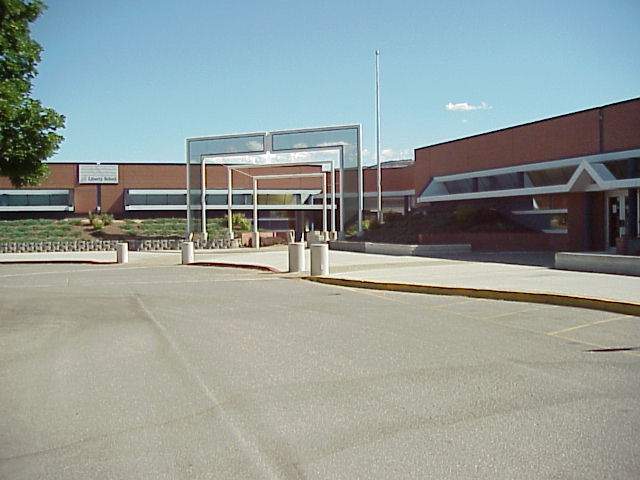
Other major developments during the 1980's included the building of Liberty Elementary School in 1982-1984 (pictured). The school was built to accommodate the rapid growth in southeast Boise and reflects the continuing support District patrons have for the neighborhood school concept. In September, 1987, Liberty had the largest enrollment of any elementary school in the District.
In 1985 District patrons formed the Boise Public Schools Education Foundation, Inc., a nonprofit foundation designed to raise funds for use by the Boise School District. While the Foundation accepts donations of any amount, its long range goal is to establish an endowment fund which can be used to provide schools with those things not normally considered a part of the traditional school curriculum, while not supplanting the general funds provided by the District.
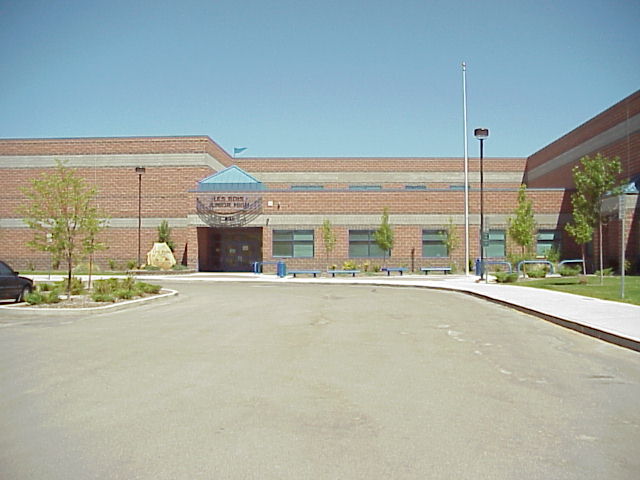
The late 80's and early 90's featured the discovery of Boise as a "nice place to raise a family" by immigrants from across the country. Student population in the District began to climb rapidly, and new highs in enrollment were reached yearly in the first half-decade of the 90's. Five new schools were built during this time period: White Pine (1990), Cynthia Mann (1990 - pictured above), Horizon (1992), Riverside (1992), and Les Bois Junior High (1994).
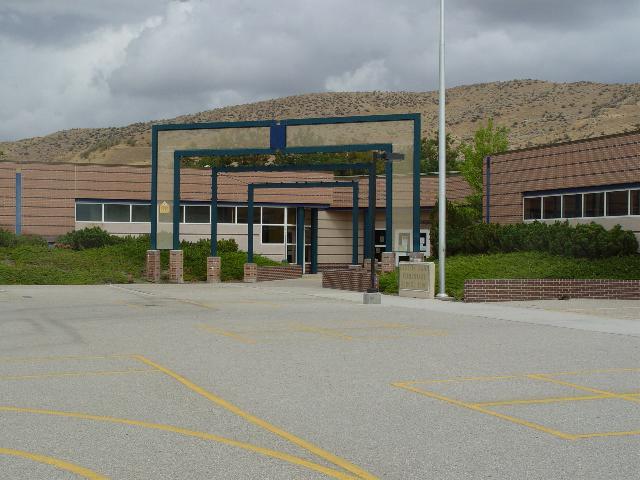
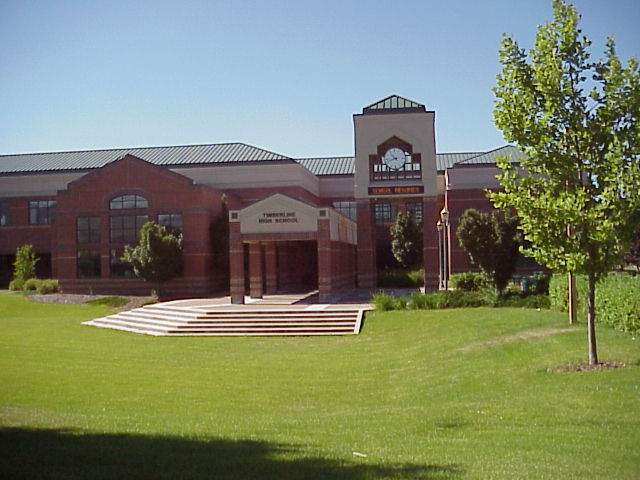
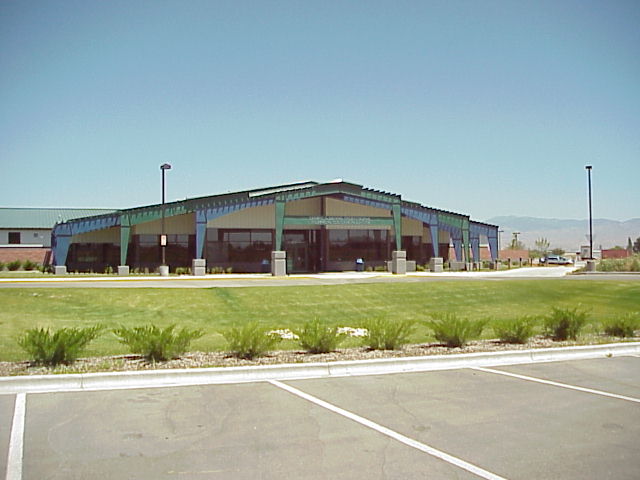
Growth in Boise continued, and the District built several new schools during the decade. Trail Wind Elementary (1998) was built to serve the Columbia Village neighborhood in southwest Boise near Micron Technology. Shadow Hills Elementary was also constructed in northwest Boise in 1998, and Riverglen Junior High opened to relieve the enrollment stress placed on Hillside Junior High by growth in the northwest area of town. A new Les Boise Junior High (pictured) was also built in Columbia Village, and the former Les Bois, built only four years earlier, was remodeled and expanded in 1998 to become Timberline High School (pictured below) the District’s fourth comprehensive high school.
Boise began increasingly to become an urban district in this time period. As student population increased, so did the proportion of low-income students. In 1988, some 27% of Boise students received free or reduced lunch. By 1995, that proportion was 37%.
In the early 1990's, the District shifted its emphasis to the sites, beginning a process known as Site-Based School Improvement, in which building teams began to make significant decisions about schooling of children in their communities. All District schools were involved in the project at the beginning of the 1995-96 school year.
In 1994, the District's administrative structure was reorganized by then Superintendent Dehryl A. “Tony” Dennis to emphasize more consistent line and staff organizations. Four Area Directors were appointed in regions of the District. The Educational Services Center was organized to provide technical support for curriculum, staff development, and site-based projects.
Dennis also developed a plan to improve facilities for vocational education. Those facilities had been located in a dilapidated structure on Main Street near downtown Boise. Dennis’ dream was to develop state of the art facilities on a 144 acre plot of land the district had purchased on Victory Road. The Professional Technical Education Building opened in 1998 (pictured), and was named for Dr. Dennis after he retired in 1999. Tenth, eleventh and twelfth grade students are bused to the Dennis Center for studies in a variety of areas, organized in two hour block sessions. Areas of study at the facility include Auto Body, Auto Technology, Welding, Digital Photography, Fish and Wildlife, and Technology.
Soon after the construction of the Professional-Technical facility, another of Dennis’ projects was realized. The Administrative Offices for the District were spread around the District at different sites, including a bomb shelter in the Highlands, the Administration Building in north Boise, three small houses in the north end, and offices at several high schools. In 2002, a new administrative facility was built just south the Professional Technical Building. The new building, subsequently named after Dennis’ successor Superintendent Dr. Ed Davis, provided office space for most of the District’s administrative personnel.
Dr. Ed Davis moved the District forward on a variety of fronts, but none was more important than the work done in curriculum and strategic planning. Davis in 1999 commissioned a Curriculum Audit and a Management Audit to examine District programs and organization. Among the many recommendations in the two audits were the restructuring and improvement of curriculum, and a move from site-based authority back to a centrally organized structure. In 2000, a committee of over 100 patrons, students, teachers, and administrators used the audit information and survey data from the public to develop Plan 2005, the strategic plan that still drives many District actions.
Davis’ tenure as Superintendent of Schools was relatively brief (he retired in 2002), but was marked by solid planning for the future and wise resource management. Plan 2005 provided direction for curriculum, professional development, technology, equitable distribution of resources, and staffing. The plan guided the District through a stormy period when the federal government became more involved with state and, ultimately, district affairs, beginning with the reauthorization of the Elementary and Secondary Education Act in 2002. This revision became know as the No Child Left Behind law.
After a nationwide search for Davis’ replacement, the Board of Trustees, under the leadership of President Rory Jones, hired Dr. Stan Olson as Superintendent. Olson, who served as Boise School District Superintendent of Schools from 2002 to 2010, came to the District from Casper, Wyoming, and had served in administrative role in Michigan, as well. Olson’s tenure in the Boise District was marked by a focus on providing choice for District patrons, and by a quest for new and innovative programs in the District. He has also served during a time when dramatic changes occurred within the District.
Student enrollment began to decline in the Boise District in 1998, after reaching a peak in 1997 of 27,070 students. In the following ten years, the District lost over 2,200 students, until 2007-08, when a modest increase of 150 students was seen.
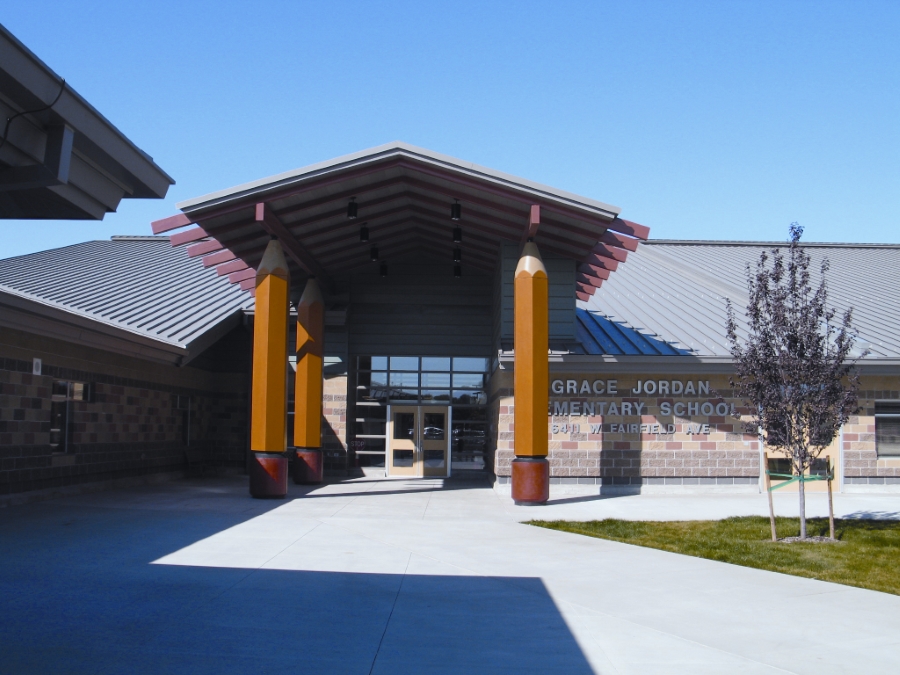
Talk of school closures and downsizing abounded in the District in the early years of the 21st century. In the face of such discussion, the District embarked on a bond campaign to consolidate several older schools into new buildings, and to replace other aging facilities. In March, 2005, voters approved a $94 million bond issue, and construction began on several new buildings, including Morley Nelson and Grace Jordan (pictured) Elementary Schools, which replaced Franklin, McKinley, Cole, and Jackson Schools.
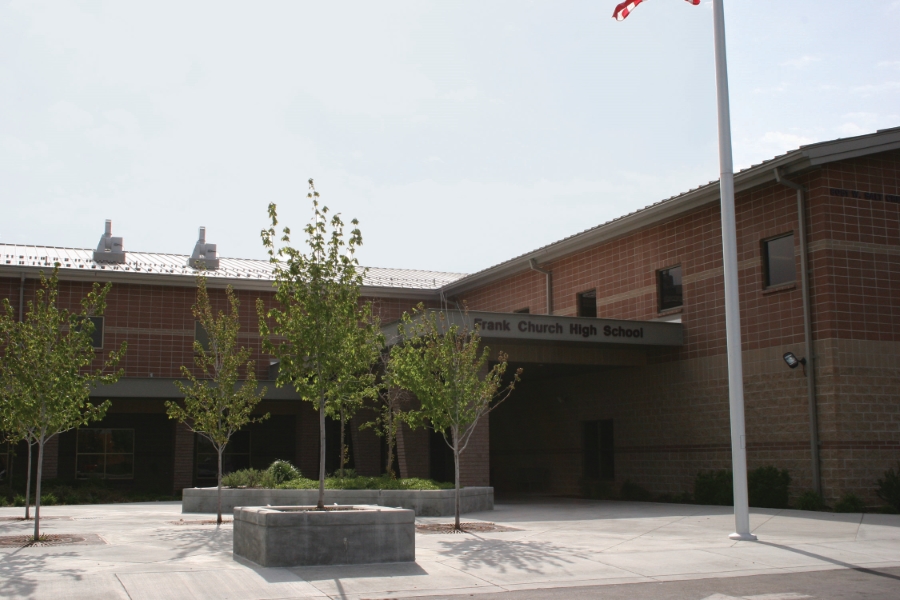
At the Victory Road location, a new West Junior High replaced the facility on Curtis Road, and Frank Church Alternative High School (pictured) welcomed students from Fort Boise Mid-High and Mountain Cove High School. South Junior High also opened, on the same site on which the former South building existed. A renovation of Borah High School’s new gymnasium was completed in spring of the 2007-08 school year, as well.
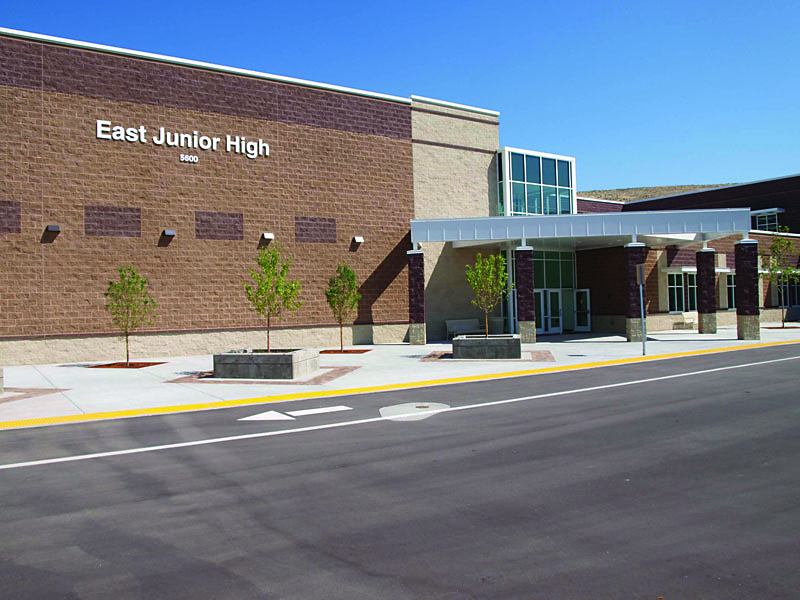
For the start of the 2009-10 school year a new Whitney School (built on the same site as the existing building) and a new East Junior High School (pictured), located in the Barber Valley several miles east of the current site opened.
In addition, construction of a new gymnasium at North Junior High School, and renovations of Lowell, Roosevelt, Borah, and Capital High Schools were completed
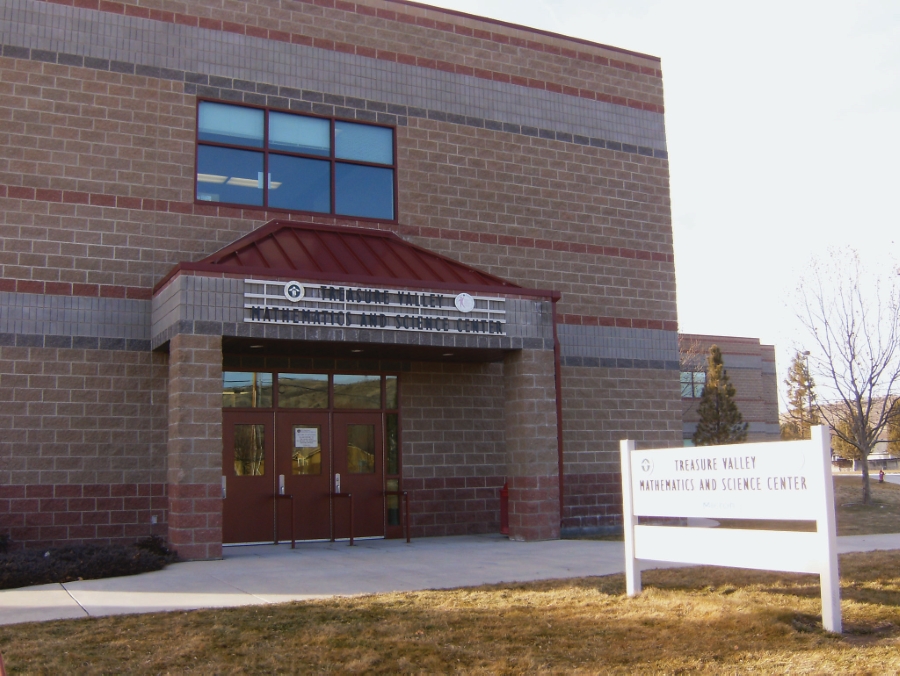
Dr. Olson fostered the development of many new initiatives in the Boise District. Among them were the Treasure Valley Math and Science Center (pictured), full-day kindergarten options at four elementary schools, All-Ready Preschools at Whittier and Hawthorne, Full Day Gifted classrooms at many District locations, a Highly Gifted program operating at Collister and Hillside, and a Harbor Method school at Owyhee Elementary. Dual Language Immersion Spanish programs at Whittier and Whitney Elementary Schools and International Schools with Spanish language instruction at Longfellow and Pierce Park were also implemented.
In 2003, the Board of Trustees opened enrollment to students from other districts with no tuition fee. As of the 2007-08 school year, over 1000 students, primarily from the Meridian District (now West Ada School District) open enrolled into Boise’s schools. Primary among the recipients are schools bordering other Districts, such as Amity, Horizon, Valley View, Fairmont, Riverglen, Borah, and Capital.
The Advanced Placement program, supplemented by a support program know as AVID, grew to new heights in the first decade of the 21st century. Over 1,800 AP exams were given in 2006-07 to over 800 students, in 23 different subject areas. Rigorous AP instruction has become more and more popular among District students, while achievement on AP exams has remained at levels high above those of the state and nation.
District achievement on state tests such as the Idaho Reading Indicator and the Idaho Standards Achievement Tests also exceeded the performance levels of the state of Idaho, and continued to improve as the “NCLB decade” wore on. In-district exams known as End of Course Assessments, recommended by the Curriculum Audit in 1999, grew to encompass most coursework in grades 7-12.
On September 8, 2008 Dr. Olson announced his retirement at the end of the 2009-10 school year, effective June 30, 2010.
On September 14, 2009 the Boise School District Board of Trustees officially announced the appointment of Dr. Don Coberly, Executive Director of Curriculum and Instruction, Boise School District, to serve as Superintendent of the Boise School District, effective July 1, 2010.
At the time of the announcement, Board members said the selection of Dr. Coberly would allow for a smooth transition of leadership at a time when the District was beginning implementation of its new Strategic Plan, Plan 2015. Plan 2015 was designed to help guide the District through the year 2015 and includes strategies and goals associated with continually improving education in the Boise School District.
Dr. Coberly is a well respected education professional in the District and throughout Idaho and the region. He has served in the Boise School District since 1985. Dr. Coberly graduated from Borah High School, received his Bachelor’s and Doctoral degrees from the University of Idaho, and his Master’s Degree from Boise State University. He has served in a number of positions during that time, including Elementary Teacher, Language Arts Supervisor, Curriculum Coordinator, and Executive Director of Curriculum and Instruction. Dr. Coberly also taught in the Kuna School District and in Clarkston, WA before coming to the Boise School District.